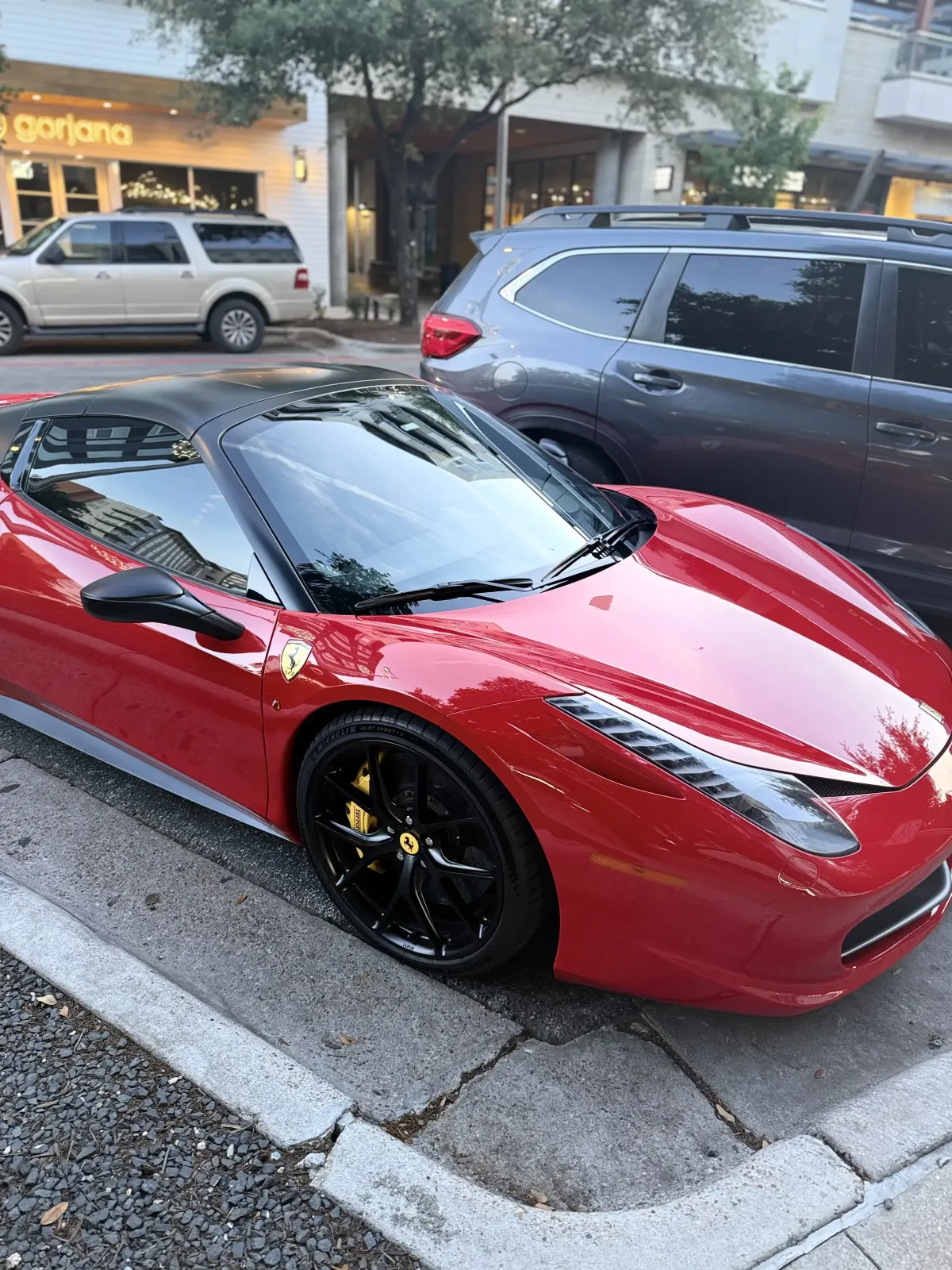
Does Ceramic Coating Prevent Rock Chips? The Honest Answer
This is one of the most frequently asked questions about ceramic coating — and one of the most persistent myths in the automotive detailing world. The short answer is no, ceramic coating does not prevent rock chips. But understanding exactly why not, and what it does protect against instead, helps you make smart decisions about the right protection strategy for your vehicle.
Why Ceramic Coating Cannot Stop Rock Chips
A ceramic coating is a chemical protection layer measured in microns of thickness — fractions of a human hair. It bonds to your clear coat surface and provides UV resistance, hydrophobic water-beading properties, chemical resistance, and a modest improvement in surface hardness. The cured coating typically rates between 7H and 10H on the pencil hardness scale, making it harder than bare clear coat. But hard is not the same as impact-resistant. A rock chip is a kinetic energy event. A stone or piece of road debris at highway speed carries enough force to chip through clear coat and base coat into the primer — and no ceramic coating, regardless of how thick or hard its rating, can absorb that kind of impact. Any product or detailer claiming ceramic coating prevents rock chips is either misinformed or being deliberately deceptive.
What Ceramic Coating Genuinely Protects Against
Where ceramic coating excels is in the category of chemical and environmental threats that accumulate slowly over time rather than arriving in single impact events. UV oxidation and fading — the SiO2 matrix absorbs UV radiation at the surface level, dramatically slowing the clear coat degradation that causes paint to fade over years of Texas sun exposure. Chemical etching — the ceramic layer resists acidic and alkaline contamination from bird droppings, tree sap, pollen, and road chemicals, providing a meaningful buffer period to remove damaging material before permanent etching occurs. Fine surface abrasion — the added hardness resists the microscopic abrasion that creates swirl marks over time on unprotected clear coat. Hydrophobic contamination resistance — dirt, road film, and biological material bond far less effectively to the slick coated surface, keeping the vehicle cleaner between washes.
What Actually Prevents Rock Chips
Paint Protection Film — PPF or clear bra — is the product engineered specifically for impact protection. PPF is a flexible thermoplastic urethane film typically eight to ten mils thick that is installed on high-impact areas of your vehicle. Its thickness and flexibility allow it to absorb stone impacts that would chip through bare paint or coating. Many modern PPF products are self-healing — light scratches disappear with the application of heat from the sun or a heat gun. PPF is the only paint protection product that actually prevents rock chips.
PPF and Ceramic Coating Together
PPF and ceramic coating are frequently used together because they protect against different threats. PPF on high-impact areas — front bumper, leading edge of the hood, mirrors, door edges, rocker panels. Ceramic coating over the PPF on those areas and over the rest of the vehicle for UV and chemical protection. The combination provides the most complete paint protection available for vehicles where both impact resistance and long-term surface protection matter.
Making the Right Protection Choices for Your Austin Vehicle
Understanding the honest performance profile of ceramic coating allows Austin area drivers to make protection decisions based on what their vehicle actually faces rather than what marketing claims they have encountered. For the vast majority of daily driving in Central Texas, the threats that most consistently and cumulatively damage paint are UV radiation, chemical contamination from bird droppings and tree sap, pollen bonding and etching, water spot formation from hard water, and the gradual abrasion from washing that accumulates as swirl marks. Ceramic coating addresses all of these effectively and persistently — it is genuinely the right product for these specific threats, and these are the threats that do the most damage to most vehicles over most ownership periods in this environment.
Rock chips, by contrast, are a real but comparatively limited threat for most Austin daily drivers. High-speed highway driving, particularly on stretches with chip-seal road surfaces or following large trucks, generates stone impacts that no coating can prevent. For drivers who frequently travel high-chip-risk routes — US-290 west of Austin, US-183 through limestone quarry country, or the highway stretches heading into the Hill Country from Liberty Hill — adding PPF to the front bumper and leading edge of the hood is a worthwhile targeted investment alongside the ceramic coating that protects the rest of the vehicle. For primarily city and suburban driving where rock chip exposure is lower, the ceramic coating alone addresses the most significant ongoing paint threats comprehensively. The honest answer is that both products have their place, and the right combination depends on your specific driving patterns and which threats your vehicle actually faces in significant quantity.
Book your ceramic coating appointment or contact us to discuss the right protection strategy for your vehicle across Austin, Cedar Park, Leander, Liberty Hill, and West Lake Hills.