How Bird Droppings Damage Car Paint and How to Prevent It
Bird droppings are among the most corrosive contaminants your car paint will encounter in regular use — and in Austin, where grackles and other birds concentrate heavily around commercial areas, parking lots, and trees throughout the city, vehicle owners face this threat constantly. Understanding why bird droppings are so damaging, how quickly damage occurs in Austin temperatures, and how to respond correctly prevents permanent paint damage from a completely manageable threat.
Why Bird Droppings Damage Paint
Bird droppings damage automotive clear coat through two simultaneous mechanisms: chemical etching and physical abrasion. The chemical etching comes from the uric acid in bird waste. Bird digestive systems produce uric acid as the primary nitrogen excretion compound, and uric acid is highly corrosive to automotive clear coat. Unlike the mild biological acids in pollen, uric acid from bird droppings can begin etching clear coat within hours at Austin summer temperatures — the heat accelerates the chemical reaction significantly compared to cooler climates. The physical abrasion component comes from the gravel and seed material that birds ingest, which is present in their droppings as solid particulate. As the dropping dries and contracts in the sun, this solid material is pulled against the paint surface under tension, abrading the clear coat as it dries. The combination of chemical acid etching and physical abrasion creates a distinctive crater pattern — visible as a dull, pitted depression in the clear coat — that is permanent once it forms.
How Fast Damage Occurs in Austin Conditions
In mild weather, a fresh bird dropping on bare clear coat has a window of several hours before etching begins. In Austin summer conditions — paint surface temperatures exceeding 60 to 70 degrees Celsius in direct sun — that window can shrink to one to two hours. This is why bird dropping spot treatment is one of the most time-sensitive car care actions an Austin vehicle owner can take. A dropping that lands on your hood at 9 AM on a July day and is not addressed until you return to your car at noon may already have begun etching. The same dropping on a vehicle with a ceramic coating has a significantly extended response window — the coating's chemical resistance slows the acid reaction, giving you four to eight hours rather than one to two. This practical time advantage is one of the most appreciated real-world benefits of ceramic coating ownership for Austin drivers.
How to Remove Bird Droppings Safely
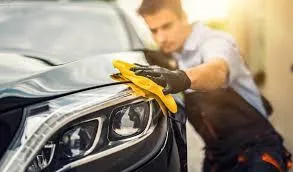
The correct bird dropping removal technique is critical — removing the dropping incorrectly causes additional damage. Never rub a dry bird dropping. The solid particulate in the dropping acts as abrasive when dragged across dry clear coat, creating scratches in addition to the acid damage already occurring. The correct technique is to soften the dropping first: mist with a quick detailer spray or plain water and allow to dwell for thirty to sixty seconds to rehydrate and loosen the material. Then blot gently with a clean microfiber cloth — lift rather than wipe, removing the material vertically rather than dragging it across the surface. Repeat the mist-and-blot sequence until the area is clean, then dry the area with a clean microfiber. This approach prevents the additional scratch damage that rubbing dry material creates.
What to Do When Etching Has Already Occurred
If a bird dropping was not addressed in time and etching has occurred — visible as a dull, slightly pitted depression in the clear coat where the dropping was — the damage is permanent at that point and requires paint correction polishing to address. Light etching that has not penetrated deeply into the clear coat can typically be polished out with one-stage correction. Deeper etching that has created a more pronounced crater may be reduced significantly but not fully eliminated with polishing. Prevention is the most effective strategy — prompt spot treatment prevents the situation that requires correction. KlenCars addresses bird dropping etching as part of paint correction appointments across Austin, Cedar Park, Leander, Liberty Hill, and West Lake Hills.
Long-Term Prevention
Beyond quick detailer spot treatment, two structural prevention measures reduce bird dropping damage risk for Austin vehicles. Covered parking eliminates the threat entirely for any dropping that falls when the vehicle is not in use. A ceramic coating does not prevent bird droppings from landing on your vehicle, but it extends the safe response window dramatically and makes removal easier — the coating's non-stick surface allows dried bird dropping material to be removed with less pressure than bare clear coat requires, reducing the abrasion risk during removal. For Austin daily drivers who park in bird-populated commercial areas regularly, ceramic coating combined with a quick detailer spray kept in the vehicle for immediate spot response is the most complete protection strategy available. Book your detail or coating appointment today.