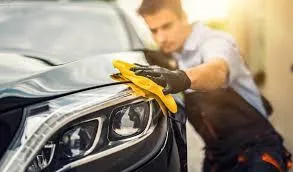
How to Maintain a Ceramic Coating: The Complete Guide
Getting a ceramic coating installed is one of the best investments you can make for your vehicle's paint. But the coating is only half the equation — how you maintain it afterward determines whether you get two years of performance or seven. The good news is that ceramic coating maintenance is not complicated. It requires consistent habits and the right products, and it will actually save you time and effort compared to maintaining an uncoated vehicle.
The Golden Rule: Always Use pH-Neutral Shampoo
The single most important maintenance rule for a ceramic coated vehicle is to wash exclusively with a pH-neutral car shampoo. This is non-negotiable. The ceramic coating's chemistry is sensitive to pH extremes — acidic or alkaline products attack the SiO2 matrix that gives the coating its hydrophobic and protective properties. Many household soaps, dish detergents, and even some car-specific shampoos fall outside the neutral pH range.
pH-neutral shampoos are widely available from reputable car care brands. They clean effectively without stripping the coating, and using one consistently is the single biggest thing you can do to extend the life of your investment.
How Often Should You Wash a Ceramic Coated Car?
One of the benefits of ceramic coating is that your car stays cleaner for longer — dirt and contamination have a harder time bonding to the slick coated surface. However, this doesn't mean you can skip washing indefinitely. We recommend washing every two to three weeks under normal conditions.
In Central Texas, the washing schedule matters more than in most parts of the country. Cedar and oak pollen season — which runs from December through May and affects Cedar Park, Leander, Austin, and surrounding areas heavily — deposits fine abrasive biological material on every outdoor surface. Pollen that sits on your coating in heat and humidity can etch into it over time. During pollen season, washing once a week or rinsing with clean water between washes prevents this buildup from accumulating.
The Right Washing Technique
Using the right shampoo is step one, but technique matters too. Always rinse the car thoroughly before making any contact with the paint — a foam cannon pre-wash that sits on the surface for a few minutes before rinsing removes a significant portion of surface contamination before your wash mitt ever touches the paint. Use the two-bucket method: one bucket of soapy water for washing, one bucket of clean water for rinsing your mitt between panels. This prevents dragging contamination from one panel across another.
Wash in straight front-to-back strokes rather than circular motions. Dry with a clean, high-quality microfiber drying towel or a forced-air dryer. Never let a ceramic coated car air dry in the Texas sun — water spots form quickly in heat and can etch into the coating surface over time.
Never Use Automatic Car Washes
Automatic car washes are the enemy of ceramic coatings. Brush-style automatic washes use rotating brushes that carry contamination from every car that came through before yours — those particles get dragged across your coated paint at speed, introducing fine scratches and degrading the coating's surface. The harsh chemical soaps used in most automatic washes are typically alkaline and strip ceramic coatings aggressively with every visit.
Touchless automatic washes are less physically damaging but compensate by using significantly stronger chemicals to dissolve dirt without contact. These chemicals are still harmful to ceramic coatings over time. If you don't have time for a hand wash, a professional maintenance wash from KlenCars is always a better option than an automatic car wash for a coated vehicle.
Apply a Ceramic Maintenance Spray Regularly
A ceramic maintenance spray — also called a ceramic topper or coating booster — is applied to a clean, wet vehicle after washing and dries to refresh the hydrophobic layer of your coating. Applied every three to six months, these products meaningfully extend your coating's effective life and restore the water beading performance to near-new levels. They take less than fifteen minutes to apply and are one of the most cost-effective ways to protect your coating investment.
Remove Contamination Promptly
One of the advantages of ceramic coating is that bird droppings, tree sap, and other chemical contaminants are easier to remove from a coated surface than from bare paint. However, they can still damage the coating if left to sit — particularly in the Texas heat, where a bird dropping can etch into a surface in hours. Remove these contaminants as soon as you notice them: mist with water or a dedicated quick detailer spray, let it dwell for a moment, then lift gently with a clean microfiber cloth rather than wiping sideways.
Annual Inspection and Coating Assessment
Once a year, have your coating inspected by your detailer. A professional assessment can identify whether your coating is still performing at full capacity, whether any panels need spot treatment or a light polish, and whether a full coating refresh or reapplication is approaching. It's also a good opportunity to assess whether your paint would benefit from a touch-up polish before a new coating layer is applied.
KlenCars installs and maintains ceramic coatings across Austin, Leander, Cedar Park, Liberty Hill, and West Lake Hills. Book your appointment, read our reviews, or get in touch with any questions about maintaining your coating.