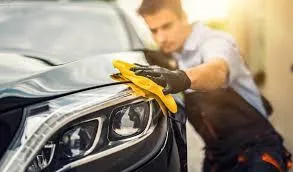
How to Wash Your Car Without Scratching the Paint
Washing your car incorrectly causes more paint damage than almost any other routine action most vehicle owners take. The swirl marks on most daily driven cars were put there not by rocks or road debris but by the washing process itself — the wrong products, the wrong technique, and the wrong equipment choices made repeatedly over thousands of individual washes accumulate into visible paint degradation that shows dramatically under direct sunlight. Here is how to wash a car without creating the fine scratches that every subsequent wash reinforces.
Why Washing Causes Scratches
Car paint scratches during washing when abrasive material is dragged across the clear coat surface. That abrasive material comes from two sources: contamination on the paint surface itself that is lifted and then dragged across the surface by the wash mitt, and contamination that has been picked up by the wash mitt from previous swipes and is now embedded in the mitt when it contacts the paint again. The two-bucket wash method addresses both of these problems by keeping the rinse water separate from the wash water, so the mitt is cleaned before each contact with the paint rather than reintroducing the grit it just picked up. Pre-rinsing the vehicle thoroughly before any mitt contact lifts loose surface contamination before the physical washing begins, dramatically reducing the abrasive load at the mitt-to-paint interface during washing.
The Pre-Rinse: Non-Negotiable First Step
A thorough pre-rinse with a strong water stream removes the loose surface contamination — dust, pollen, loose grit — that would otherwise be dragged across the paint by the wash mitt. Never skip this step, and never apply a wash mitt to a dry or minimally wet paint surface. The pre-rinse converts loose surface contamination into suspended contamination that flows off the paint with the water, rather than sitting on the surface waiting to scratch when physical contact begins. In Austin, where pollen season deposits a visible layer of fine biological material on every outdoor surface for six months of the year, the pre-rinse is especially important — pollen is mildly abrasive and acidic, and dragging it across the paint without a thorough rinse first compounds both scratch risk and chemical etching risk simultaneously.
Two-Bucket Method
The two-bucket setup uses one bucket of soapy water and one bucket of clean rinse water. After each mitt pass across the paint, the mitt is rinsed in the clean rinse bucket before being reloaded with shampoo from the wash bucket. This prevents accumulated grit from the paint surface from being reintroduced to the wash mitt and dragged across the next panel. Grit guards — slotted plastic inserts that sit at the bottom of each bucket — trap grit that falls to the bottom and prevent it from being picked up when you rinse the mitt. This setup is inexpensive, requires no special skill, and eliminates the primary swirl-causing mechanism of single-bucket washing that most people learned from watching their parents wash cars without realizing what it was doing to the paint.
Mitt Selection Matters
Use a high-quality microfiber wash mitt or lamb's wool mitt rather than a sponge. Sponges hold grit at the contact surface and drag it across the paint. Microfiber and lamb's wool have a deep pile structure that captures grit away from the contact surface, significantly reducing scratch risk. Use a fresh, clean mitt every wash — a mitt that has been used several times without thorough washing between uses accumulates contamination in its pile that it will eventually introduce to your paint. Wash mitts in a separate laundry load from other fabrics, without fabric softener, to maintain the pile structure that makes them effective.
Drying Without Scratching
Drying introduces scratches the same way washing does — any contact with a contaminated or low-quality drying towel creates fine scratches. Use a large, plush microfiber drying towel and use blotting and gentle lifting motions rather than circular wiping motions. Never air-dry — water evaporating on paint leaves the mineral deposits in Austin's hard water behind on the surface, creating water spots that are themselves a paint care problem. For coated vehicles, the hydrophobic surface sheets water off so completely that drying is minimal — a few passes with a clean microfiber addresses the remaining water quickly and efficiently, which is one of the most appreciated practical benefits of ceramic coating for drivers who wash their own vehicles regularly.
When Home Washing Is Not Enough
No matter how correct your home washing technique is, it does not remove the contamination that has bonded to the clear coat surface over time. Professional clay bar decontamination is needed at minimum twice yearly to extract the embedded iron, pollen residue, and biological material that washing lifts but does not fully remove. Without periodic decontamination, even perfect washing technique still leaves an accumulating layer of bonded contamination that reduces paint quality and accelerates damage. KlenCars provides professional exterior detailing with full decontamination across Austin, Cedar Park, Leander, Liberty Hill, and West Lake Hills. Book today.