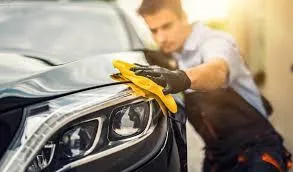
How Tree Sap Damages Car Paint in Austin TX and How to Remove It
Austin's live oak canopy is one of the city's defining features — and one of its most persistent paint care challenges. Live oak sap, cedar sap, and the general biological secretions of the mature trees that shade neighborhood streets throughout Austin, West Lake Hills, Cedar Park, and Leander deposit on vehicle paint continuously during the active growing season. Understanding what tree sap actually does to car paint, how quickly it causes damage in Austin conditions, and the correct removal technique prevents permanent paint damage from a threat that affects almost every Austin vehicle owner with outdoor parking.
What Makes Tree Sap Damaging
Tree sap is composed primarily of sugars, resins, and organic acids — and all three of these components cause problems for automotive clear coat. The sugars and resins are sticky and bond aggressively to the clear coat surface, becoming progressively harder to remove as they cure in heat and UV. The organic acids in sap begin a slow chemical etching of the clear coat surface on contact — gentler than bird dropping uric acid but active over a longer time period because sap remains in place longer before being noticed and removed. The physical stickiness of sap also traps other contamination — pollen, dust, and road film stick to sap deposits and compound the contamination effect on the clear coat surface beneath. In Austin, where live oak sap drips actively from March through May and cedar sap deposits are a secondary source through the fall, vehicles parked under canopy face a sustained sap exposure period of several months each year.
How Austin Heat Accelerates Sap Damage
Fresh sap is sticky and relatively soft — it can be removed with appropriate products without significant effort if addressed promptly. Sap that has been allowed to sit on Austin paint surfaces through heat cycles is a completely different challenge. The heat of an Austin summer day — paint surface temperatures commonly exceeding 60 to 70 degrees Celsius in direct sun — causes sap to harden and cure against the clear coat surface in a way that bonds it far more permanently than fresh sap. Sap that has gone through multiple Austin heat cycles over several days becomes extremely difficult to remove without specialized products and significant mechanical effort, and the longer it has been in place, the more etching damage the organic acids have accumulated underneath the deposit. The practical rule for Austin vehicle owners: address sap the same day it is noticed, before the next heat cycle hardens it further.
How to Remove Fresh Tree Sap
Fresh sap removal begins with softening rather than scraping or rubbing. Apply a dedicated sap remover product or isopropyl alcohol diluted to around seventy percent concentration to a clean microfiber cloth and place it over the sap deposit — do not rub, just lay the cloth on the sap and let the product penetrate and dissolve the sap from underneath. After thirty to sixty seconds of dwell time, gentle blotting removes the softened sap without dragging it across the clear coat. Repeat until all residue is removed. For larger deposits or sap that has been in place for a day or more, a second product application may be needed before the area is fully clear. After removal, inspect the clear coat for any remaining residue and rinse the area with clean water to remove solvent residue from the paint surface.
When Sap Has Caused Etching
Sap that has been in place long enough to etch the clear coat — visible as a dull depression or haziness remaining after the sap itself has been removed — requires professional paint correction to address. The etching is damage to the clear coat surface that sap removal products cannot reverse — only mechanical polishing that levels the clear coat surface around the etched area can reduce or eliminate the visible defect. For Austin vehicles with significant sap etching from a season of canopy parking without prompt spot treatment, a one-stage or two-stage correction appointment addresses the accumulated defects and prepares the paint for protective product application.
Prevention: Coating and Parking Strategy
Professional Sap Treatment at KlenCars
For Austin vehicles with significant sap accumulation from a season of canopy parking — multiple deposits that have gone through heat cycles and bonded firmly to the clear coat — professional sap treatment as part of an exterior detail appointment is the most effective approach available. We use professional-grade sap remover products and techniques to address even firmly bonded sap without damaging the surrounding clear coat. For sap deposits that have already etched the clear coat surface, targeted polishing of affected areas during a paint correction appointment reduces the visible damage. Book your sap treatment detail today.
A ceramic coating on a vehicle parked under Austin tree canopy dramatically reduces the rate of sap bonding and etching. The coating's chemical resistance slows the organic acid etching that fresh sap causes. The non-stick hydrophobic surface makes sap removal easier with less pressure than bare clear coat requires. And the coating's hardness resists the micro-abrasion that occurs during sap removal on bare paint. Parking away from actively dripping canopy during peak sap season — March through May for live oaks — reduces exposure significantly for those with parking flexibility. KlenCars addresses sap removal and etching correction across Austin, Cedar Park, Leander, Liberty Hill, and West Lake Hills. Book your detail today.