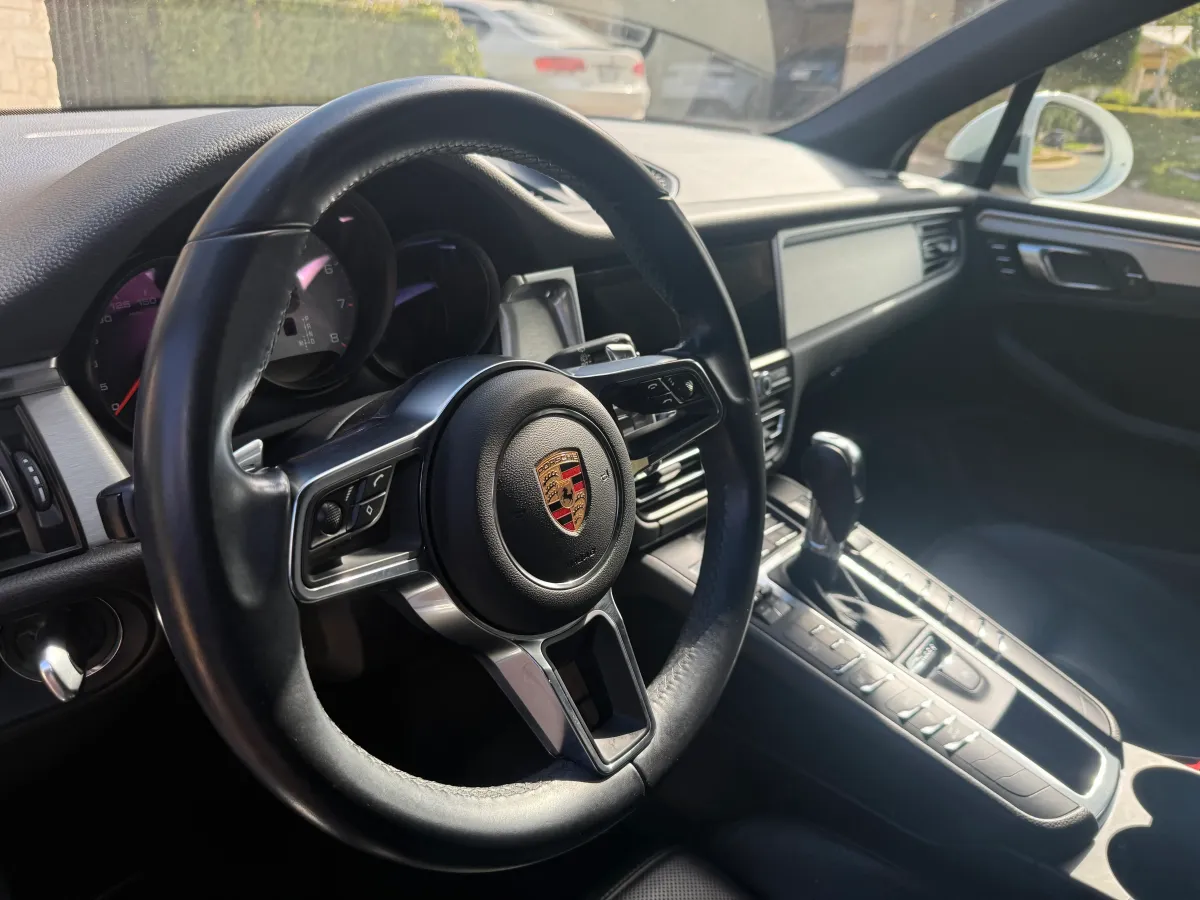
Leather Seat Care in Texas: How to Clean and Condition the Right Way
Leather is one of the most premium and long-lasting upholstery materials available in modern vehicles — but only when it is maintained properly. In Texas heat and UV, neglected leather dries out, cracks, fades, and ages rapidly. Once cracking begins, repair options are significantly more expensive than prevention would have been. Here is how to care for leather correctly in a Central Texas climate, where the stakes for regular maintenance are higher than almost anywhere else in the country.
How Texas Specifically Damages Leather
Leather is a natural material that requires moisture to remain supple and flexible. Three Texas-specific factors accelerate drying and degradation well beyond what cooler climates produce. First, extreme interior temperatures — vehicle interior surfaces regularly exceed 60 to 70 degrees Celsius in direct Texas summer sun, drawing moisture out of leather far faster than ambient-temperature parking would. Second, UV radiation breaks down the dyes and surface finish of leather, causing fading and surface hardening that progresses to brittleness over time. Third, the dry heat periods of Texas summer create a desiccating environment that depletes leather's natural oils faster than humid climates allow. The combination of these three factors makes Texas leather care significantly more demanding than general automotive advice suggests.
How Often to Clean and Condition in Texas
In Texas conditions, leather seats should be cleaned every one to two months and conditioned after every cleaning. During peak summer from June through September, monthly cleaning and conditioning is worthwhile for vehicles parked outdoors regularly. For garaged or partially protected vehicles, every six to eight weeks is reasonable. This is more frequent than general automotive care guidance suggests because Texas conditions are more aggressive than the environments most generic car care advice is written for.
Products That Matter
Always use a pH-balanced automotive leather cleaner specifically formulated for car upholstery. Avoid household cleaning products, all-purpose cleaners, and anything containing solvents, bleach, or ammonia — these damage leather's surface finish even when they appear to clean effectively in the short term. Apply cleaner to a microfiber applicator pad rather than directly to the seat surface and work in small sections. For conditioning, use a dedicated automotive leather conditioner rather than shoe polish, mink oil, or household leather products. A quality conditioner penetrates the leather and restores internal moisture rather than just coating the surface with a film that wears off quickly.
The Degradation Timeline Without Conditioning
Unconditioned leather in a hot Texas car follows a predictable sequence. Slight stiffness develops without visible damage. Then fine hairline cracks appear along the seat bolsters and seams where the material flexes most with every entry and exit. Without intervention, those cracks deepen and widen. Eventually surface flaking begins where the leather has fully broken down. At the flaking stage, repair requires professional leather restoration or seat replacement — a cost many times greater than years of regular conditioning would have been.
Reading Your Leather at Home
Between professional details, a monthly inspection of your leather seats tells you a lot. Run clean fingertips across the leather surface — properly conditioned leather should feel smooth, slightly flexible, and supple. Leather that feels stiff or almost papery needs conditioning immediately regardless of when the last treatment was applied. Look for color consistency across the seat surface — slight fading on the most UV-exposed areas is an early indicator that UV protection products are not keeping up with the exposure level. Hairline cracking in seat bolsters before the rest of the seat indicates you have been slightly under-conditioning for Texas conditions and should increase frequency immediately.
Professional Interior Detailing for Leather
For leather that has accumulated body oils, grime, and embedded contamination in its surface grain, a professional cleaning before conditioning delivers better results than home care alone. Our interior detailing service includes professional leather cleaning and conditioning with appropriate products for your specific leather type as a standard component of every service. KlenCars serves Austin, Leander, Cedar Park, Liberty Hill, and West Lake Hills. Book your interior detail today.
Our professional interior detailing service at KlenCars includes leather and synthetic material identification, appropriate product selection, and UV protectant application as standard components for every vehicle we service across Austin, Cedar Park, Leander, Liberty Hill, and West Lake Hills. The result is interior surfaces that stay protected between appointments rather than degrading season after season.Many modern vehicles use high-quality synthetic leather — leatherette, SensaTec, NuLuxe, or other brand names — that has different care requirements than genuine leather. Synthetic leather can crack and peel in Texas heat when the surface finish degrades without UV protection. A UV-protective interior dressing applied regularly maintains the surface finish significantly longer than leaving it unprotected. Our team identifies your specific material type on arrival and selects appropriate products accordingly for every surface. Book your interior detail today.